
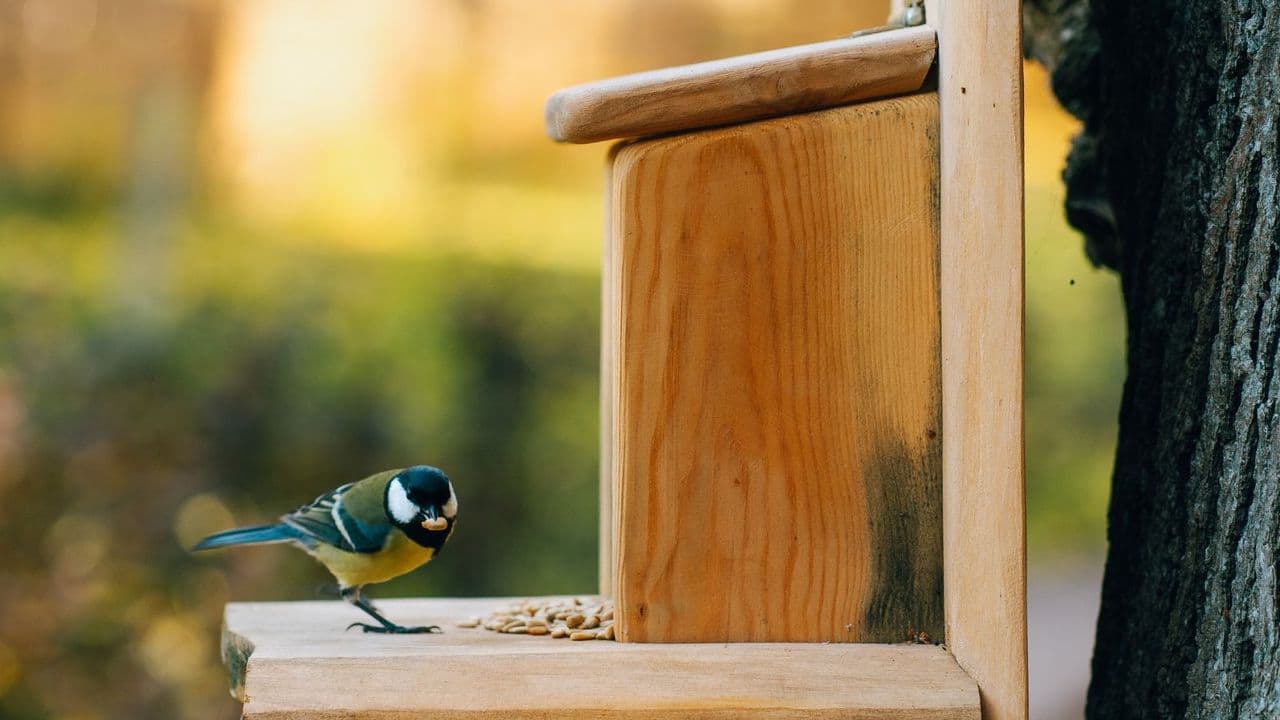
Why June Is One of the Most Critical Months for Garden Birds
June sits at the very heart of the breeding season for most garden bird species in the UK and across much of the Northern Hemisphere. From blue tits and robins to blackbirds and sparrows, gardens become bustling nurseries where adults work tirelessly to feed hungry chicks, defend their nesting territories, and prepare for second or even third broods. While spring often steals the spotlight when it comes to wildlife gardening, June is arguably the month when your support matters most. Understanding exactly what garden birds need during this period can make a genuine difference to local populations, many of which are under increasing pressure from habitat loss and changing climates.
If you want your garden to become a true sanctuary for birds this summer, here are five essential ways to help them thrive through the breeding season and well beyond.
1. Keep Feeding Stations Stocked With the Right Foods
One of the most common misconceptions about feeding garden birds is that you should stop in summer once natural food becomes more abundant. In reality, June is a demanding month for adult birds who are burning enormous amounts of energy keeping up with the feeding demands of fast-growing chicks in the nest. Supplementary food at your garden feeding stations can provide a vital energy boost that reduces the foraging pressure on parent birds.
The key is to offer the right kinds of food. Whole peanuts should be avoided or placed behind a wire mesh feeder during June, as large chunks can be a choking hazard for young fledglings. Instead, focus on high-protein options such as mealworms, either live or dried, which are especially popular with robins, wrens, and thrushes. Sunflower hearts are another excellent choice as they are easy for birds to digest and require no husking. Nyjer seeds attract finches, while plain suet pellets provide sustained energy without the risks associated with fat balls that can go rancid in warm weather.
Keep feeders clean and refresh food regularly, as warm June temperatures accelerate the spoiling of seed and fat-based products. A hygiene routine once or twice a week using hot soapy water followed by thorough rinsing will help prevent the spread of diseases like trichomonosis, which has devastated greenfinch populations in recent years.
2. Provide Fresh, Clean Water Every Single Day
Water is arguably the most overlooked resource in a wildlife-friendly garden, yet it is essential for garden birds throughout the year and especially so in June when temperatures begin to rise. Birds need water not only for drinking but also for bathing, which is crucial for maintaining feather condition and controlling parasites. Clean, well-preened feathers make a significant difference to a bird's ability to fly efficiently and regulate body temperature.
A shallow bird bath placed at ground level or on a raised pedestal will attract a wide range of species. Aim for a depth of no more than five to seven centimetres, and place a stone or two in the centre to give smaller birds a safe place to stand. Change the water daily, scrubbing the bath with a stiff brush every few days to prevent algae build-up and bacterial contamination. Position the bath near cover such as a shrub or hedge so birds can retreat quickly if a predator appears, but not so close that cats can use the vegetation as a hiding spot.
3. Leave Nesting Sites Undisturbed
June is peak nesting time, and one of the most impactful things you can do is simply leave nesting areas alone. Resist the temptation to tidy hedges, cut back dense climbers like ivy or honeysuckle, or prune shrubs until late summer or early autumn when breeding activity has wound down. What looks like an overgrown mess to human eyes is a five-star hotel for a nesting blackbird or a dunnock.
If you installed nest boxes in previous months, avoid the urge to peek inside or disturb the area around them. Parent birds are sensitive to disturbance and may abandon a nest if they feel threatened. Keep dogs and cats away from known nesting areas, and ask visitors to do the same. If you notice a fledgling on the ground that appears healthy and alert, it is almost certainly being monitored by its parents nearby, so leave it well alone rather than attempting to intervene.
4. Create and Maintain Insect-Rich Habitats
Natural insect populations are the backbone of the garden bird diet, particularly during the breeding season when high-protein caterpillars, beetles, flies, and spiders form the bulk of what parent birds carry back to the nest. Supporting insect populations in your garden therefore has a direct and powerful impact on bird welfare.
Reduce or eliminate the use of pesticides and herbicides, which strip away the food chain that birds depend on. Allow a patch of lawn to grow longer, plant native wildflowers such as ox-eye daisies, knapweed, and bird's-foot trefoil, and let leaf litter accumulate beneath hedges and shrubs. A simple log pile in a quiet corner provides habitat for beetles, centipedes, and ground beetles that are eagerly sought by thrushes and robins. Even a small compost heap can become a rich foraging site, particularly for blackbirds hunting for worms and invertebrates.
5. Reduce Cat Predation Risks in the Garden
Domestic cats are responsible for the deaths of an estimated 55 million birds each year in the UK alone, and the risk is at its highest in June when inexperienced fledglings are leaving the nest for the first time. These young birds spend several days on or near the ground while their flight skills develop, making them particularly vulnerable to cat attacks.
Fitting cats with a brightly coloured, quick-release collar and a bell can reduce hunting success considerably. Motion-activated water sprinklers placed near known nesting or fledgling areas can also deter cats without causing them harm. Planting dense, thorny shrubs such as hawthorn or berberis around the garden perimeter can create natural barriers, while placing prickly prunings around the base of nest boxes and under bird baths makes it harder for cats to approach undetected.
Making Your Garden a Year-Round Bird Refuge
The actions you take in June resonate through the rest of the year. Birds that successfully raise chicks in a well-supported garden are more likely to return and breed again the following year, and juveniles that grow up in food-rich, predator-aware environments have better chances of survival through their first winter. By maintaining feeding stations, clean water sources, insect-friendly planting, undisturbed nesting sites, and responsible pet management, you are not just helping birds through a single month. You are actively contributing to the long-term health of local wildlife populations and creating a garden that is richer, more vibrant, and more alive for every season to come.