
The Uncomfortable Truth About Real Estate Licensing
Passing your real estate licensing exam feels like a major milestone. You studied contract law, fair housing regulations, and property valuation methods. You memorized definitions, sat through hours of coursework, and finally earned that license. But then you step into the real world — and nothing quite works the way you expected.
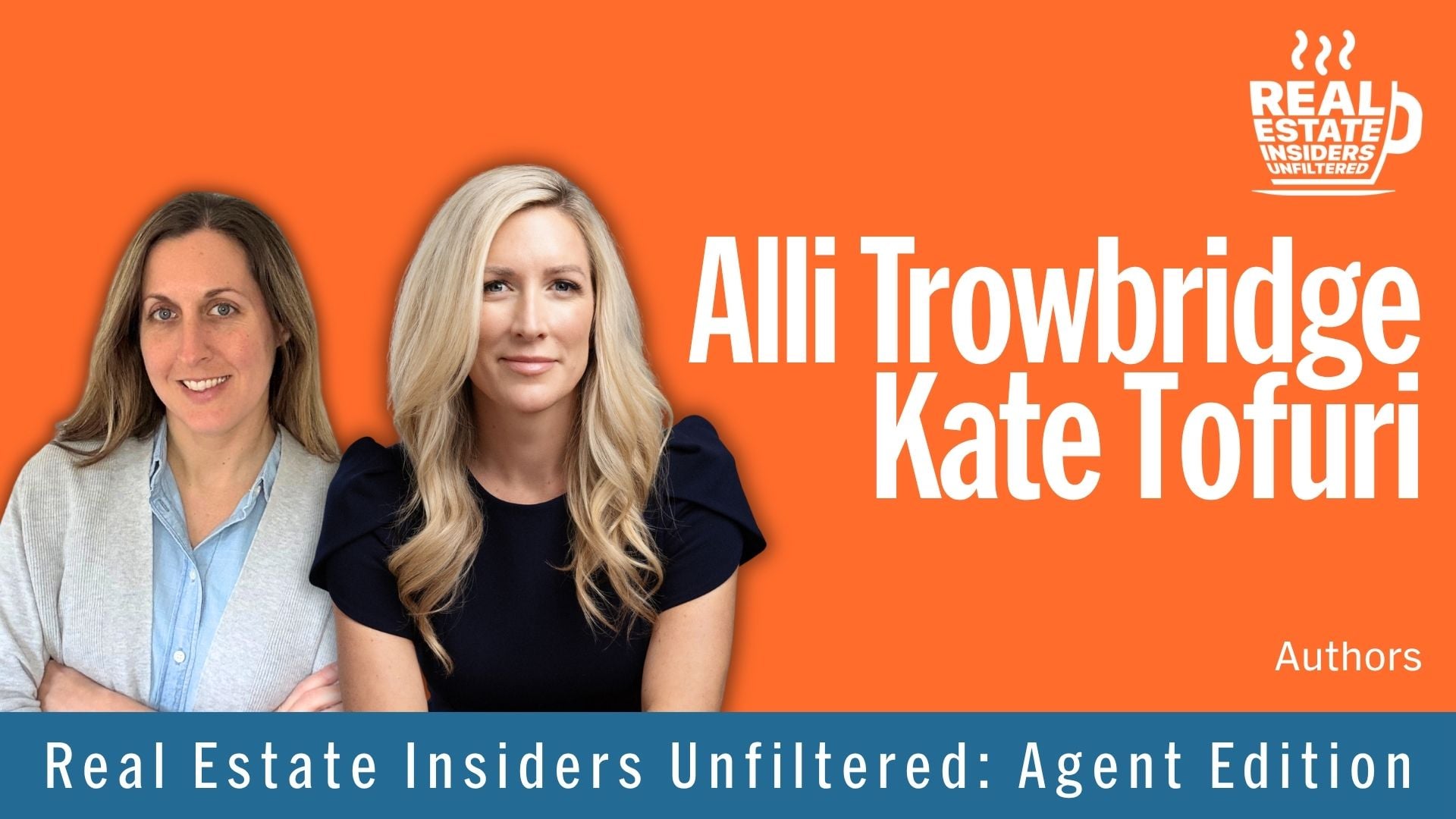
This is the experience that Kate Tofuri and Alli Trowbridge know all too well. As co-authors of What Real Estate School Didn't Teach You, they've made it their mission to shine a light on the enormous gap that exists between getting licensed and actually building a thriving real estate career. Their message is clear: the education system prepares agents to pass a test, not to succeed in business.
Why Real Estate School Falls Short
Real estate licensing programs are designed with a single goal in mind — ensuring that new agents understand the legal and ethical framework of the industry. That's a worthy objective, but it leaves out virtually everything that determines whether an agent will succeed or fail in their first few years.
According to Tofuri and Trowbridge, the curriculum is heavily weighted toward regulatory compliance and transactional procedures. You learn about escrow, title insurance, and disclosure requirements. What you don't learn is how to find clients, how to handle rejection, how to build a referral network, or how to manage your own business finances as a self-employed professional.
The result is a predictable pattern: new agents enter the industry with confidence, hit a wall within the first six to twelve months, and either struggle in silence or quietly exit the profession. The National Association of Realtors has long reported that a significant percentage of new agents leave the industry within their first two years — and the knowledge gap is a central reason why.
The Skills Nobody Talks About
So what exactly does real estate school leave out? Tofuri and Trowbridge point to several critical competencies that new agents are rarely taught but desperately need.
Lead Generation and Prospecting
Getting licensed does not mean clients will find you. Real estate is fundamentally a sales-driven business, and generating a consistent pipeline of leads is one of the hardest and most important skills an agent can develop. From cold calling and door knocking to social media marketing and sphere-of-influence strategies, the methods are many — but none of them are covered in a standard pre-licensing course.
Mindset and Emotional Resilience
Real estate is a profession built on rejection. Buyers choose other agents. Sellers pick competitors. Deals fall through at the last minute. Without the psychological tools to handle setbacks and maintain motivation, many agents burn out before they ever gain real momentum. Tofuri and Trowbridge emphasize that cultivating the right mindset isn't a soft skill — it's a survival skill.
Business and Financial Management
As independent contractors, real estate agents are essentially running their own small businesses from day one. That means tracking expenses, setting aside money for taxes, managing cash flow during slow seasons, and investing wisely in marketing. Most new agents have no background in entrepreneurship, and licensing programs do nothing to address this reality.
Communication and Negotiation
While licensing courses touch on contract terms, they rarely teach agents how to actually communicate value to clients, handle objections, or negotiate effectively on behalf of buyers and sellers. These are learnable skills, but they require deliberate practice and mentorship that the traditional education model simply doesn't provide.
Bridging the Gap: What New Agents Can Do
The encouraging message from Tofuri and Trowbridge is that the gap is bridgeable. It requires intentionality, but agents who commit to learning beyond the license can absolutely build sustainable, rewarding careers.
Seek Out a Strong Mentorship Program
Joining a brokerage that offers structured mentorship or training programs is one of the most impactful decisions a new agent can make. Learning from experienced producers in real-time — watching how they handle client conversations, listing appointments, and negotiations — compresses the learning curve dramatically.
Invest in Continuing Education Beyond the Minimum
State-mandated continuing education keeps your license active, but it won't make you better at business. Seek out coaching programs, industry conferences, and specialized training in areas like buyer representation, listing strategy, and digital marketing. The agents who treat their career like a craft are the ones who consistently outperform their peers.
Build Your Personal Brand Early
In today's market, clients research agents online before ever making contact. Building a consistent personal brand across social media, Google, and your brokerage's website is no longer optional — it's foundational. New agents who start thinking about their brand from day one have a significant advantage over those who wait until they desperately need business.
Develop a Lead Generation System
Rather than chasing random opportunities, successful agents build repeatable systems for attracting and converting leads. Whether it's a consistent posting schedule on Instagram, a neighborhood farm strategy, or a structured follow-up process for past clients, the key is consistency over time.
A New Conversation About Real Estate Education
What makes the work of Kate Tofuri and Alli Trowbridge so valuable is that they're not simply criticizing the current system — they're offering a roadmap for what comes next. Their book and the conversations they're sparking are pushing the real estate industry to take a harder look at how it prepares its newest professionals.
Because the truth is, a license gets you in the door. But knowledge, skill, resilience, and business acumen are what keep you in the game. Real estate school teaches you the rules. The real education begins the moment you start working with real clients, facing real challenges, and building a real career from the ground up.
For every new agent feeling overwhelmed and underprepared, the message is simple: what you weren't taught in school can absolutely be learned — but you have to go looking for it.