
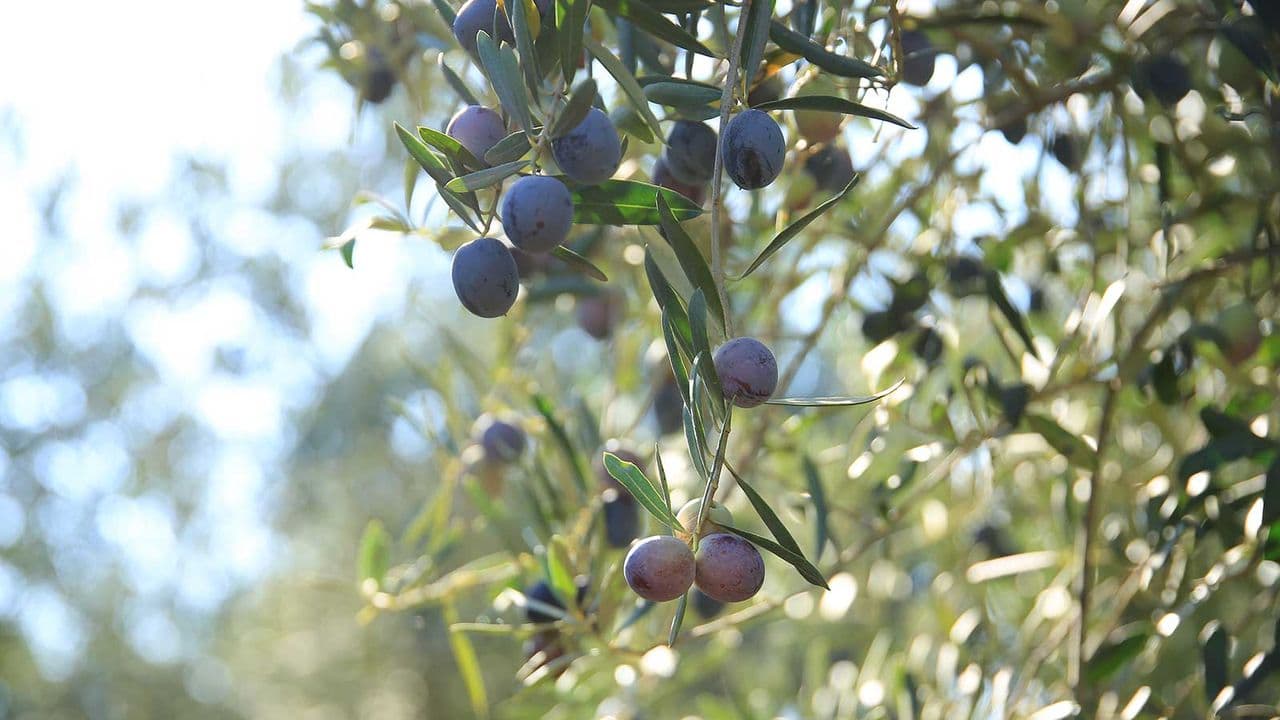
What To Do With An Olive Tree In June – 7 Steps For A Healthy Tree And Your Best Ever Harvest
June is one of the most critical months in the olive tree calendar. As temperatures climb and the days grow long, your olive tree is working hard — flowering, setting fruit, and building the foundational growth that will determine the size and quality of your harvest later in the year. Get June right, and you set yourself up for your best olive crop ever. Neglect it, and you risk poor fruit set, disease, or a tree that simply underperforms come autumn.
Whether you grow your olive tree in a container on a sun-drenched patio or have it planted out in a sheltered garden, these seven steps will guide you through everything you need to do this month to keep your tree thriving.
1. Understand What's Happening to Your Olive Tree in June
Before diving into the practical tasks, it helps to understand what your olive tree is doing in June. After flowering in late spring, your tree is now in the fruit-set stage. Tiny, pea-sized olives are beginning to form, and the tree is directing enormous energy into this process. Any stress — whether from drought, nutrient deficiency, or pest pressure — during this window can cause fruit drop and significantly reduce your harvest. Keeping conditions as stable and supportive as possible is the overarching goal for the entire month.
2. Water Wisely and Consistently
Olive trees are famously drought-tolerant, but that reputation can be misleading during fruit set. In June, consistent moisture is genuinely important. Irregular watering — particularly swinging between dry spells and heavy drenching — can stress the tree and trigger fruit drop before the olives have had a chance to develop properly.
For container-grown trees, check the soil moisture every couple of days. Water thoroughly when the top inch of compost feels dry, allowing excess water to drain freely from the pot. For trees in the ground, a deep, slow watering once or twice a week is generally more beneficial than frequent light watering, as it encourages roots to grow deeper into the soil where moisture is more stable.
Avoid wetting the foliage when watering, as damp leaves in warm weather can encourage fungal issues. Early morning watering is ideal, giving any splashed leaves time to dry before temperatures peak.
3. Feed Your Olive Tree for Fruit Production
June is the right time to give your olive tree a targeted nutritional boost to support fruit development. A high-potassium fertiliser — the kind typically used for tomatoes and other fruiting plants — is ideal at this stage. Potassium supports cell development, improves fruit quality, and helps the tree manage water efficiently during summer heat.
Apply a liquid feed every two to three weeks throughout June and into July. For trees in the ground, a granular slow-release fertiliser applied around the root zone and watered in well is a convenient alternative. Avoid excessive nitrogen at this stage, as it encourages leafy growth at the expense of fruit and can make the tree more attractive to aphids and other pests.
4. Prune Lightly and Strategically
Major structural pruning of olive trees is best carried out in late winter or early spring, but June allows for light tidying that serves both the tree's health and its productivity. Focus on removing any crossing branches that are rubbing against each other, as these create wounds that can invite disease. Also thin out any dense clusters of growth in the centre of the canopy to improve airflow and light penetration — both of which are crucial for the developing fruit.
Remove any dead, damaged, or diseased wood you spot, and cut back any vigorous upright shoots (known as water shoots) that are diverting energy away from the fruit-bearing branches. Keep pruning minimal and targeted; this is not the time for heavy reshaping.
5. Check for Pests and Diseases
Warm June weather creates ideal conditions for a range of pests and diseases. Inspect your olive tree regularly — ideally once a week — paying close attention to the undersides of leaves and the soft new growth at branch tips.
Common problems to watch for include:
- Olive leaf spot (Spilocea oleagina): A fungal disease causing yellow and brown spots on leaves. Improve airflow through pruning and avoid overhead watering to manage it.
- Scale insects: Small, waxy, limpet-like insects that cluster on stems and leaves, sucking sap. Treat with a horticultural oil spray.
- Aphids: Often found on new growth, they can be dislodged with a firm jet of water or treated with an insecticidal soap spray.
- Olive fruit fly: In warmer climates or very warm summers, monitor for this pest using sticky yellow traps hung in the canopy.
Catching problems early in June means far less damage than dealing with a full infestation mid-summer.
6. Repot Container Olive Trees If Needed
If your potted olive tree has become root-bound — with roots circling the base of the pot or escaping through the drainage holes — early June is a good time to repot into a container one size larger. Use a free-draining, gritty compost mix (a blend of loam-based compost and horticultural grit works well) and ensure the new pot has ample drainage holes. Repotting gives the roots more room to grow and access to fresh nutrients, which directly benefits fruit development.
7. Position Your Tree for Maximum Sunshine
Olive trees are sun-worshippers, and in June the goal is to make sure your tree is getting as much direct sunlight as possible. For container-grown specimens, this may mean repositioning the pot to follow the sun as the season progresses, or clearing away any nearby plants or structures that have begun to cast shade.
Aim for a minimum of six hours of direct sunlight per day — though the more the better. Good sun exposure in June not only improves fruit set and development but also helps keep the foliage dry, reducing the risk of fungal diseases.
A Rewarding Month for Olive Tree Growers
June rewards attentive growers. By watering consistently, feeding for fruit, pruning thoughtfully, staying on top of pests, and ensuring your tree is basking in as much sunshine as possible, you are giving your olive tree everything it needs to produce a generous, high-quality harvest. Each of these seven steps is straightforward on its own, but together they create the ideal conditions for a tree that looks beautiful, stays healthy, and delivers olives you can genuinely be proud of. Take care of your olive tree in June, and it will repay you handsomely come harvest time.