
World Cup 2026 Tickets Are Costing Fans More Than Their Monthly Mortgage
The 2026 FIFA World Cup is officially underway, with the tournament kicking off in Mexico City and capturing the attention of soccer fans around the globe. Spread across 16 cities in North America over six thrilling weeks, FIFA projects that between 5 million and 6 million fans will attend matches throughout the competition. But for fans in the United States hoping to witness the action firsthand, the price of admission is coming at a steep cost — one that rivals, and in many cases surpasses, what homeowners pay each month just to keep a roof over their heads.
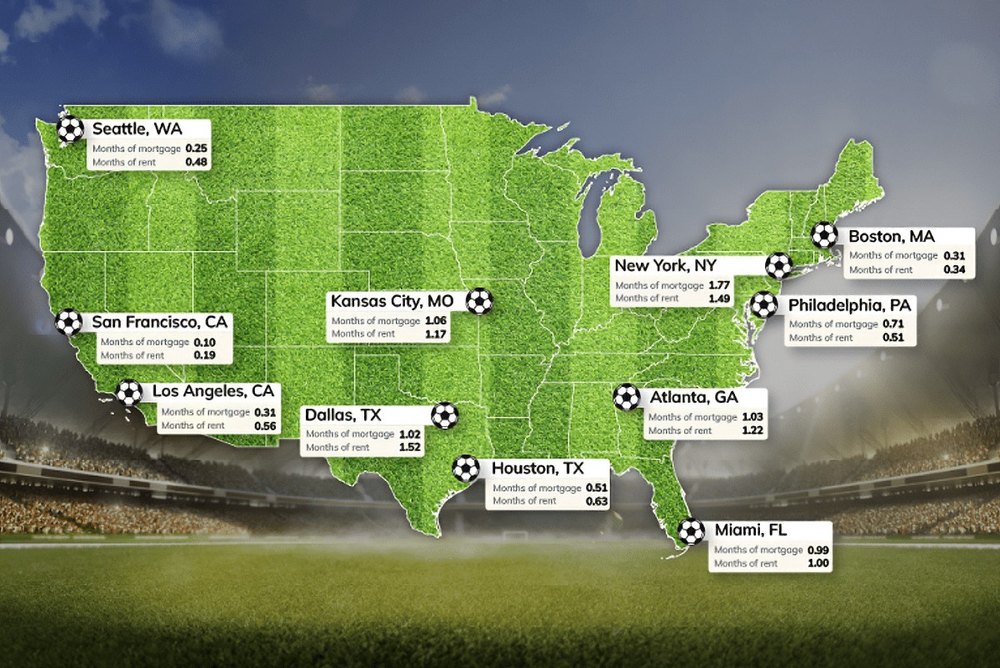
A new analysis from real estate research firm PropertyShark has revealed a striking financial reality: in five of the 11 U.S. host cities, even the least expensive available tickets are priced higher than the typical monthly mortgage payment in those markets. The cities in question are Miami, Dallas, Atlanta, Kansas City, and New York — the latter hosting the highly anticipated World Cup Final.
For millions of fans, this raises a serious question: just how much is a once-in-a-lifetime World Cup experience worth, and what does it say about the broader intersection of sports economics and housing affordability in America?
Breaking Down the Numbers: Which Cities Are the Most Expensive?
To understand the full scope of this comparison, it helps to look at each of the five cities individually. While specific ticket and mortgage figures shift with market conditions, the overarching finding from PropertyShark's research is consistent — entry-level World Cup ticket prices in these markets are not a casual splurge. They represent a financial commitment on par with one of most households' largest monthly expenses.
Miami, Florida
Miami has long been one of the most expensive real estate markets in the southeastern United States, and its World Cup ticket prices reflect the city's premium status. With a housing market that has seen dramatic appreciation over the past several years, Miami homeowners already carry some of the highest mortgage burdens in the country. Yet even against that elevated baseline, the cheapest World Cup tickets available in Miami manage to exceed the average monthly mortgage payment — making it one of the priciest fan experiences in the entire tournament.
Dallas, Texas
Dallas may be known as a relatively affordable major metropolitan area compared to coastal cities, but World Cup fever has pushed ticket prices well beyond what most local homeowners pay each month. Texas has seen significant population growth and rising home values in recent years, yet the entry-level cost of attending a match at the Dallas venue still clears the monthly mortgage bar. For Dallas fans, attending a single group stage game could cost more than their entire housing payment for the month.
Atlanta, Georgia
Atlanta is another city where the numbers tell a sobering story. Georgia's capital has experienced robust real estate growth, but it still maintains a mortgage market that is more accessible than many other major U.S. cities. Despite that, the gap between affordable housing costs and World Cup ticket prices remains notable, with even budget-tier seats outpacing typical monthly mortgage obligations for Atlanta homeowners.
Kansas City, Missouri
Perhaps the most surprising entry on this list is Kansas City. Known for its relatively low cost of living and affordable housing compared to coastal metro areas, Kansas City is widely considered one of the more budget-friendly major cities in the United States. That makes the PropertyShark finding all the more remarkable — even in a market where housing is comparatively inexpensive, the floor price for World Cup tickets still climbs above what many local homeowners pay each month. For fans in Kansas City, attending a World Cup match is a significant financial decision by any measure.
New York and the World Cup Final
New York City is in a category of its own. As the host of the 2026 World Cup Final — arguably the most prestigious single sporting event on the planet — ticket prices in the New York metro area are stratospheric. With one of the highest average monthly mortgage payments of any U.S. market, it might seem difficult for ticket prices to outpace housing costs, yet they do. The Final is expected to draw the highest demand of any match in the tournament, and that demand is reflected directly in pricing. For fans dreaming of watching the world's best nations compete for the ultimate prize at MetLife Stadium, the financial commitment is enormous.
What This Tells Us About Sports, Housing, and Affordability
The PropertyShark analysis is more than just an interesting curiosity — it shines a light on a growing tension in American life between the rising cost of major live events and the already strained household budgets of everyday fans. As both housing costs and entertainment prices continue to climb, the overlap between the two becomes increasingly relevant for families trying to decide how to allocate their discretionary income.
Major sporting events like the World Cup have always commanded premium pricing, but the scale of this tournament — played across 16 cities, drawing millions of visitors, and broadcast to billions worldwide — amplifies everything. Demand is enormous, supply is fixed, and prices reflect that reality.
Tips for Fans Looking to Attend on a Budget
If you're determined to attend a 2026 World Cup match without breaking the bank, there are a few strategies worth considering before you open your wallet.
- Target group stage matches in smaller markets: Cities not on the mortgage-busting list may offer more accessible ticket prices, particularly for early-round group stage games featuring less prominent national teams.
- Buy early through official channels: Purchasing directly through FIFA's official ticketing platform helps you avoid the significant markups applied by third-party resellers.
- Consider attending fan festivals instead: FIFA and host cities typically organize large-scale fan viewing events that allow you to experience the World Cup atmosphere for free or at minimal cost.
- Travel flexibility matters: If you're willing to travel to a host city with a lower cost of living and less premium match scheduling, you may find meaningfully cheaper options both for tickets and accommodation.
- Monitor resale markets closer to match day: Prices on secondary markets can sometimes drop if sellers are unable to move their tickets, though this strategy carries risk for high-demand matches.
The Bottom Line
The 2026 FIFA World Cup is a once-in-a-generation event taking place on home soil, and for millions of American soccer fans, the desire to be part of it is completely understandable. But the numbers don't lie — in Miami, Dallas, Atlanta, Kansas City, and New York, attending even the most affordable available match will cost fans more than they pay to keep their homes each month. As you plan your World Cup experience, going in with clear eyes about the true cost is the smartest first step you can take.
Whether you choose to splurge on a seat in the stadium or find creative ways to celebrate from home or at a fan event, one thing is certain: the 2026 World Cup is generating energy — and price tags — unlike anything North American soccer has seen before.