
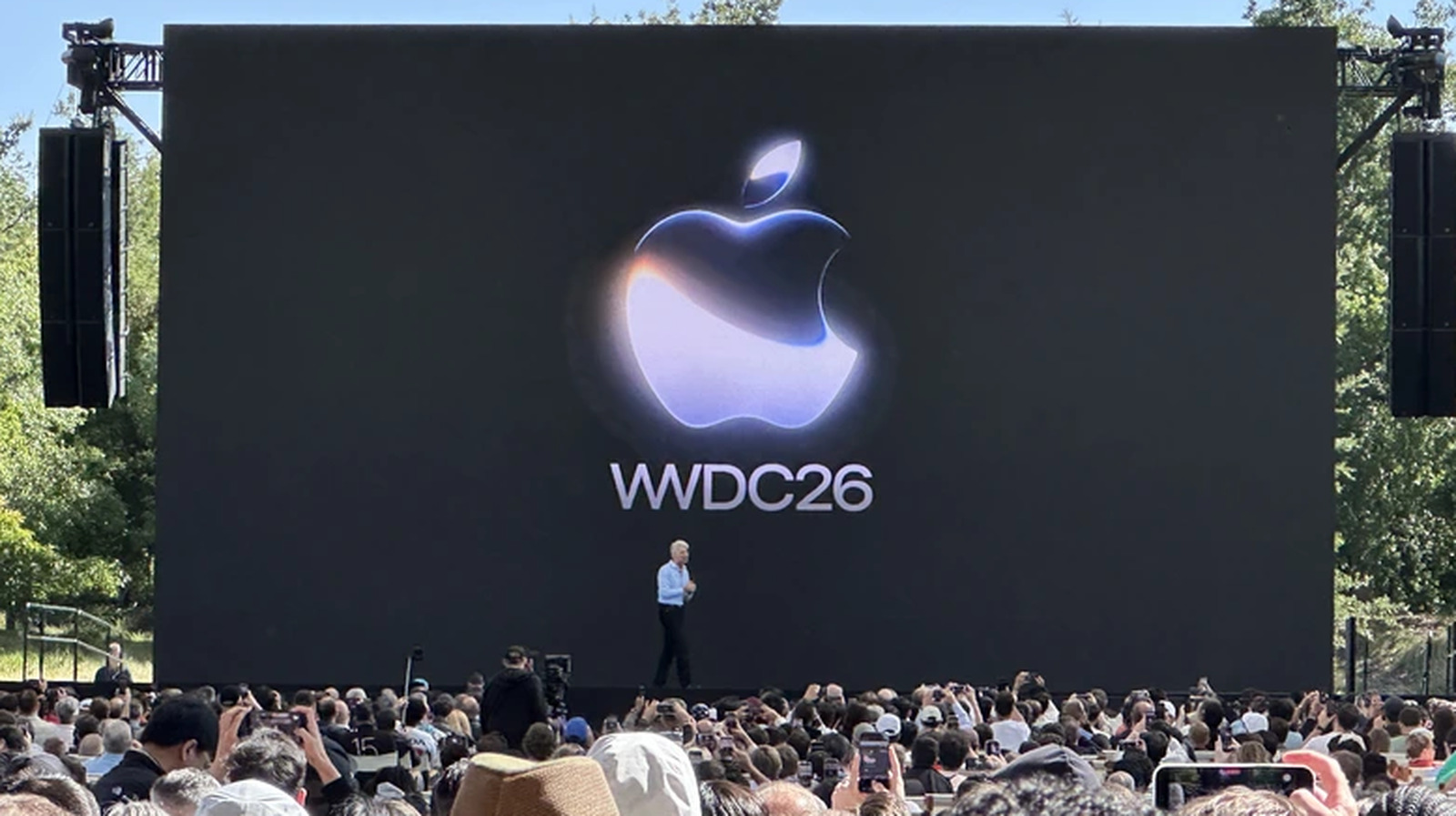
WWDC 2026: Fresh Impressions Straight from Apple Park
Every June, the tech world holds its breath as Apple opens the doors to its annual Worldwide Developers Conference. WWDC 2026 was no exception. This year, the event carried an especially charged atmosphere — one shaped by years of mounting pressure on Apple to deliver a credible, competitive answer to the AI revolution sweeping through the industry. From the lush campus of Apple Park in Cupertino, California, the company made its most ambitious software announcements in recent memory, and the conversations sparked in the days following have been nothing short of electric.
The Engadget team was on the ground at Apple Park to absorb every announcement firsthand, and the resulting podcast episode has become essential listening for anyone trying to make sense of what Apple is actually building — and why it matters. Two topics dominated the discussion above all else: the dramatic evolution of Siri through artificial intelligence, and the question of what Tim Cook's long tenure at the helm of Apple ultimately means for the company's identity and direction.
Siri in 2026: Has Apple Finally Cracked AI?
For years, Siri has been the butt of tech jokes — a once-pioneering voice assistant that somehow fell behind competitors like Google Assistant, Amazon Alexa, and more recently, the large language model-powered chatbots that have redefined what "AI assistant" even means. WWDC 2026 appears to mark a genuine inflection point for Siri, and early impressions suggest Apple may have made the leap many users had been waiting for.
What's New With Siri AI
At the core of this year's Siri upgrade is a deeper integration of on-device and cloud-based large language models, building on the Apple Intelligence foundation introduced at previous WWDCs. The 2026 iteration pushes further into contextual awareness, meaning Siri can now carry multi-turn conversations with a coherent memory of what was discussed earlier in the same session. This is something that has long frustrated power users who found Siri's inability to retain context within a conversation a critical limitation.
Beyond conversational flow, Siri has gained significantly tighter integration across Apple's first-party apps. Drafting emails in Mail, summarizing lengthy documents in Notes, and managing complex calendar arrangements can now all be handled through natural language prompts with far greater accuracy than before. For developers, new APIs open the door to third-party apps tapping into these Siri AI capabilities at a deeper level than ever previously permitted.
Privacy Remains Central to Apple's AI Story
One of the most consistent threads in Apple's AI narrative is its emphasis on privacy. Unlike competitors that rely heavily on sending data to remote servers for processing, Apple has continued to invest in on-device intelligence. At WWDC 2026, the company doubled down on this positioning, explaining how the most sensitive AI tasks are handled locally on Apple Silicon chips, while more computationally demanding requests are routed through its Private Cloud Compute infrastructure — a system designed so that even Apple itself cannot access a user's data during processing.
This approach may not make headlines the way a flashy new chatbot demo does, but it represents a fundamentally different philosophy about AI — one that is likely to resonate strongly with enterprise customers and privacy-conscious consumers alike.
Tim Cook's Legacy: Building Apple for the Long Haul
No conversation about WWDC 2026 can happen without acknowledging the larger context of Tim Cook's leadership. Having taken over from Steve Jobs in 2011, Cook has now steered Apple for well over a decade — and WWDC 2026 arrives at a moment when analysts and fans are increasingly beginning to think about what comes next for the company and for Cook himself.
From Hardware Maestro to Services and AI Empire
Cook's Apple is not the same company it was under Jobs. While Jobs was the visionary product showman who gave the world the iPod, iPhone, and iPad, Cook has quietly transformed Apple into one of the most profitable and strategically diversified businesses in history. Under his leadership, Apple's Services segment — encompassing the App Store, Apple Music, iCloud, Apple TV+, and Apple Pay — has grown into a revenue engine that rivals or surpasses many standalone technology companies.
The pivot toward AI and Apple Intelligence under Cook's watch represents perhaps the biggest strategic bet of his tenure. Critics spent years accusing Apple of being late to the AI party, but Cook's approach has always been to enter markets not first, but best. Whether the 2026 Siri upgrades validate that patience is a debate the industry will be having for months to come.
What WWDC 2026 Says About Apple's Future Direction
Reading between the lines of WWDC 2026, a clearer picture of Apple's strategic vision begins to emerge. The company is not trying to out-ChatGPT OpenAI or out-Gemini Google. Instead, it is building an AI layer that is deeply woven into the fabric of everyday Apple product use — subtle, privacy-respecting, and platform-native. This is a differentiated bet, and it reflects the institutional culture Cook has cultivated over more than a decade.
Why WWDC 2026 Matters for Developers and Users
Developers gain expanded AI APIs that allow for richer, more personalized app experiences without compromising user privacy, opening a new frontier for app innovation on iOS, macOS, and beyond.
Everyday users benefit from a smarter, more capable Siri that can genuinely assist with productivity tasks rather than simply setting timers or answering trivia questions.
Enterprise customers get stronger assurances around data security, making Apple devices an even more compelling choice for regulated industries like healthcare, finance, and legal services.
The broader tech industry is forced to reckon with Apple's unique hardware-software-privacy integration as a legitimate AI strategy, not just a marketing talking point.
Final Thoughts: A Pivotal Moment for Apple
WWDC 2026 is more than a software update cycle — it is a statement of intent. Apple is signaling that it believes the future of AI is personal, private, and deeply integrated into the devices people already love and trust. Whether that vision wins out against the raw capability arms race being waged by Google, Microsoft, and OpenAI remains to be seen.
What is certain is that the conversations coming out of Apple Park this June — about Siri's renaissance, about Tim Cook's enduring influence, and about what kind of technology company Apple wants to be — will shape the industry's direction for years to come. The Engadget podcast episode capturing those first impressions is essential listening for anyone invested in the future of Apple and AI alike.
Stay tuned as the developer beta releases roll out and the real-world testing begins. The announcements were impressive — now comes the moment of truth.